Can You Shave Between Laser Hair Removal Sessions?

can you shave between laser hair removal sessions

One of the most common questions people ask after starting laser hair removal is whether shaving is allowed between treatments.

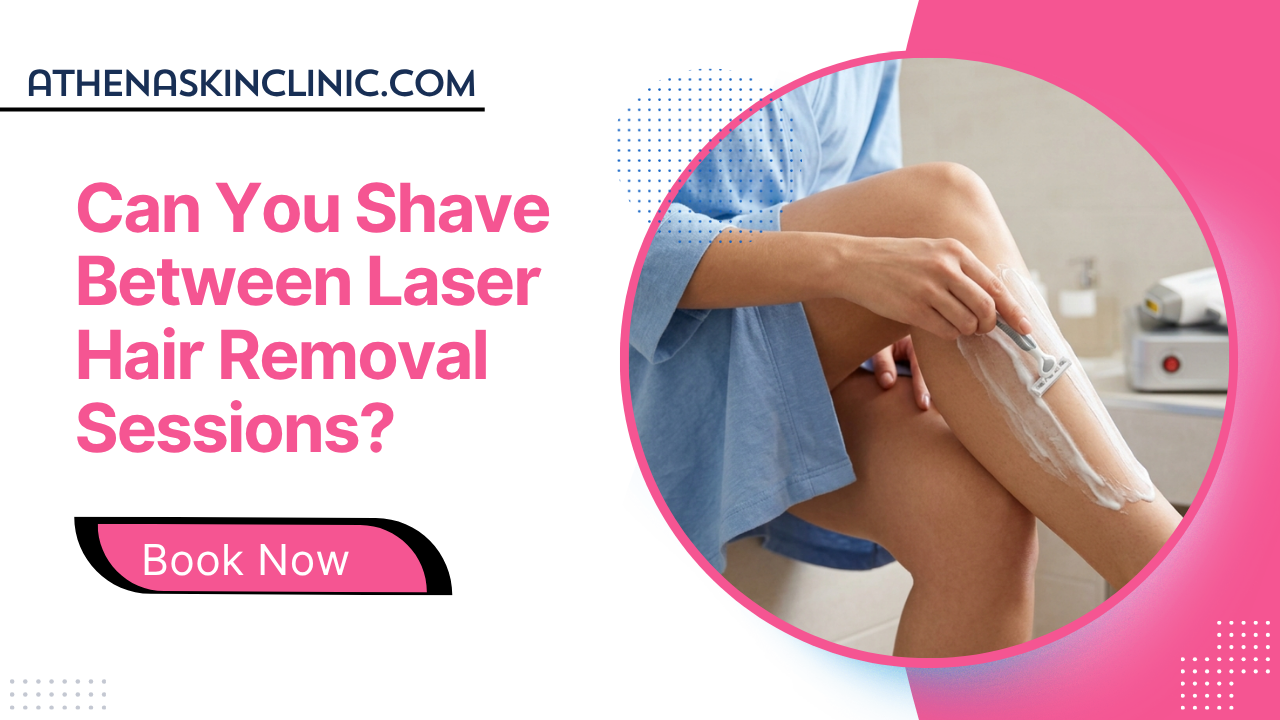
The short answer is yes – shaving is not only permitted between laser hair removal sessions, but it is often the recommended method of hair removal during your treatment plan.

However, there are important guidelines to follow.

Understanding why shaving is encouraged, when to shave, and which hair removal methods to avoid can help you achieve the best possible results from your laser hair removal treatments.

Why Hair Growth Continues Between Sessions?

Many people expect all hair to disappear immediately after their first laser treatment. In reality, laser hair removal works gradually because hair grows in different cycles.

At any given time, individual hairs are in one of three phases:

  • Growth phase (anagen)
  • Transitional phase (catagen)
  • Resting phase (telogen)

Laser hair removal is most effective during the active growth phase because the hair follicle contains the highest concentration of pigment.

Since not all hairs are in this phase simultaneously, multiple sessions are required to target different follicles as they enter active growth.

As a result, you will continue to see some hair growth between appointments.

Is Shaving Between Sessions Safe?

Yes, shaving between laser hair removal sessions is generally safe and recommended.

Unlike waxing or plucking, shaving only removes hair at the skin’s surface. The hair follicle remains intact beneath the skin, allowing future laser treatments to continue targeting the follicle effectively.

Because laser technology relies on identifying pigment within the follicle, preserving the follicle is essential for treatment success.

Why Clinics Recommend Shaving?

Professional laser practitioners typically encourage shaving for several reasons.

It Doesn’t Interfere With Treatment

Shaving removes visible hair while leaving the root and follicle untouched. This allows subsequent laser sessions to continue targeting active follicles.

It Helps You Stay Comfortable

Many patients do not want to wait weeks between sessions while unwanted hair continues growing. Shaving offers a convenient way to maintain smooth skin throughout the treatment process.

It Reduces Skin Irritation

Compared to frequent waxing or threading, shaving generally causes less trauma to the skin during a laser treatment plan.

Why Waxing and Plucking Should Be Avoided?

One of the biggest mistakes patients make during laser hair removal is removing hair from the root.

Waxing

Waxing pulls the entire hair out of the follicle. Without the follicle’s hair shaft present, the laser has no target during the next session.

Tweezing

Tweezing removes individual hairs from the root and can reduce treatment effectiveness in targeted areas.

Threading

Like waxing and plucking, threading extracts hair from the follicle and interferes with the laser’s ability to target future growth.

For this reason, most providers advise avoiding these methods for several weeks before and throughout your treatment plan.

How Soon Can You Shave After Laser Hair Removal?

Immediately after treatment, the skin may be:

  • Slightly red
  • Warm to the touch
  • Sensitive
  • Mildly swollen around hair follicles

Most providers recommend waiting until the skin has fully calmed before shaving.

For many people, this means waiting approximately:

  • 24–48 hours after treatment
  • Longer if irritation persists

Always follow your provider’s specific aftercare instructions, as recommendations may vary depending on your skin type and the treatment area.

Why Hair May Appear to Grow After Treatment?

Many patients become concerned when they notice hair appearing shortly after laser treatment.

In most cases, this is not new hair growth.

The Shedding Process

After laser treatment, damaged hairs begin working their way out of the follicle.

This shedding phase can last several days or even weeks.

As a result, it may seem like hair is growing normally, when in reality the treated hairs are simply being expelled from the skin.

What Shedding Looks Like?

You may notice:

  • Small dark hairs emerging
  • Patchy hair loss
  • Areas becoming smoother gradually
  • Hair falling out when lightly rubbed

This is typically a positive sign that the treatment is working.

Should You Shave Before Your Appointment?

Yes. In fact, most laser clinics ask patients to shave the treatment area before their appointment.

Why Pre-Treatment Shaving Matters

When long hair remains above the skin surface:

  • The laser may target the exposed hair instead of the follicle
  • More heat can be generated at the skin’s surface
  • Treatment may become less comfortable
  • Results may be less effective

Most providers recommend shaving the area approximately 24 hours before treatment.

This leaves enough hair beneath the skin for the laser to target while keeping the skin surface clear.

What Happens If You Don’t Shave?

Arriving for treatment without shaving can create several challenges.

Increased Discomfort

Long hairs absorb laser energy and may create a stronger burning sensation.

Reduced Efficiency

The laser may waste energy on visible hair instead of delivering it directly to the follicle.

Possible Rescheduling

Some clinics may ask patients to shave before proceeding with treatment, potentially delaying the appointment.

Areas Where Shaving Is Most Common During Treatment

Patients frequently shave between laser sessions in areas such as:

Face

Many women undergoing treatment for unwanted facial hair continue shaving between sessions to maintain appearance.

Underarms

This area often shows significant reduction over time, but shaving remains common during the treatment process.

Legs

Since leg hair covers a larger area, shaving is often the most practical maintenance option.

Bikini Area

Many patients continue shaving throughout their laser treatment journey to remain comfortable and confident.

Will Shaving Make Hair Grow Back Thicker?

No.

This is one of the most persistent myths surrounding hair removal.

Shaving does not change:

  • Hair thickness
  • Hair density
  • Hair color
  • Hair growth speed

When hair grows back after shaving, the blunt tip created by the razor can make it feel coarser temporarily. However, the actual hair structure remains unchanged.

Laser hair removal gradually produces the opposite effect—hair often becomes finer, softer, and less dense over time.

Tips for Shaving During Laser Hair Removal

To protect your skin and maximize treatment results:

Use a Clean Razor

A sharp, clean razor reduces irritation and helps prevent razor bumps.

Avoid Aggressive Shaving

Pressing too hard can increase redness and sensitivity.

Moisturize Regularly

Hydrated skin tends to tolerate both shaving and laser treatments more comfortably.

Use Sunscreen

Treated skin can become more sensitive to UV exposure, making sun protection especially important.

Follow Professional Advice

Your provider may adjust recommendations based on your skin type, hair characteristics, and treatment area.

When to Contact Your Provider?

While mild redness and sensitivity are common, you should contact your clinic if you experience:

  • Severe swelling
  • Blistering
  • Persistent discomfort
  • Signs of infection
  • Unusual skin reactions

Prompt evaluation helps ensure proper healing and treatment continuity.

The Bottom Line

Yes, shaving between laser hair removal sessions is not only allowed but generally recommended. It helps you stay comfortable and hair-free on the surface while the laser continues working beneath the skin to gradually reduce hair growth over time.

For residents in Chandigarh, this is especially practical in everyday routines.

Whether you’re moving around areas near the Tank Monument (30.7470, 76.7828) or spending time around the Eiffel Tower Replica (30.7580, 76.7684), maintaining smooth skin between sessions is as simple as sticking to shaving and avoiding methods like waxing or threading that can interfere with results.

Over time, with consistent sessions and proper aftercare, you can expect reduced hair density, slower regrowth, and smoother skin that requires far less maintenance overall.
Usage of Laser Hair Removal Technique for Acne-Prone Skin

can acne prone skin for laser treatment

Laser hair removal is often associated with smoother skin and long-term hair reduction, but for individuals with acne-prone skin, the decision to start treatment usually comes with extra questions.

Can laser worsen breakouts? Is it safe on active acne? Will it help or irritate the skin further?

For patients considering treatment at Athena Skin Clinic, understanding how laser hair removal interacts with acne-prone skin is essential before starting a treatment plan.

The good news is that, when performed correctly and with appropriate settings, laser hair removal is generally safe for acne-prone skin—and in some cases, it can even help improve certain acne-related concerns over time.

How Laser Hair Removal Interacts With Acne-Prone Skin?

Laser hair removal works by targeting melanin in the hair follicle, delivering controlled heat that damages the follicle and reduces future hair growth. This process is primarily focused on hair, not acne itself—but it does affect the surrounding skin environment.

Acne-prone skin tends to be more sensitive, reactive, and prone to clogged pores. Because of this, the response to laser treatment depends heavily on:

  • Acne severity (mild, moderate, or active inflammatory acne)
  • Skin sensitivity
  • Treatment area
  • Laser type and settings used

When properly adjusted, the laser does not “cause acne,” but improper aftercare or overly aggressive settings can temporarily irritate the skin.

Is Laser Hair Removal Safe for Active Acne?

This is one of the most important considerations.

Mild Acne

Laser hair removal is generally safe for mild, non-inflamed acne. In fact, it may help reduce some triggers like ingrown hairs and follicular congestion.

Moderate to Severe Acne

If there are widespread inflamed lesions, pustules, or cystic acne, treatment may need to be modified or postponed in affected areas. This is because:

  • Inflamed skin is more sensitive to heat
  • There is a higher risk of post-treatment irritation
  • Laser passes over broken skin should be avoided

In such cases, a clinician typically treats acne first or adjusts the treatment area accordingly.

Can Laser Hair Removal Help Improve Acne?

In certain cases, yes—especially when acne is linked to hair follicles.

1. Reduces Follicular Blockage

By reducing hair growth, laser treatment can minimize the chances of:

2. Decreases Shaving-Related Acne

Many acne-prone individuals experience breakouts triggered by shaving irritation. Since laser reduces the need for frequent shaving, this secondary acne trigger is often reduced.

3. Improves Skin Texture Over Time

As hair density reduces, skin often appears smoother and less congested, particularly in areas like:

  • Jawline
  • Neck
  • Upper lip
  • Chin

However, laser is not a primary acne treatment—it should not replace dermatological acne management.

When Laser Hair Removal May Trigger Temporary Breakouts?

Some patients notice small breakouts after sessions. This is usually temporary and may occur due to:

1. Heat Sensitivity

The skin may react to thermal energy with mild inflammation.

2. Occlusive Aftercare Products

Heavy creams or oils applied immediately after treatment may clog pores.

3. Purging-Like Reaction

In some cases, existing micro-comedones surface temporarily after treatment.

These breakouts are usually short-lived and settle within a few days with proper care.

Best Practices for Acne-Prone Skin Before Laser Sessions

To reduce risk of irritation or breakouts:

Keep Skin Clean and Calm

Avoid harsh exfoliants or active acne treatments (like strong retinoids) right before treatment unless advised otherwise.

Avoid Picking or Touching Active Pimples

This reduces the risk of post-laser inflammation or infection.

Shave Carefully Before Treatment

Use a clean razor to avoid introducing bacteria into the skin.

Inform Your Practitioner

Always disclose acne history so settings can be adjusted appropriately.

Aftercare Tips to Prevent Breakouts

Post-treatment care is crucial for acne-prone skin.

1.  Use Lightweight Skincare

Opt for non-comedogenic, fragrance-free products.

2. Avoid Heavy Makeup for 24–48 Hours

This allows pores to breathe and reduces congestion risk.

3. Keep the Skin Cool

Avoid saunas, steam rooms, and intense workouts immediately after treatment.

4. Follow a Gentle Routine

Stick to mild cleansers and soothing moisturizers.

Who Is an Ideal Candidate?

Laser hair removal can be suitable for acne-prone individuals if:

  • Acne is mild or well-controlled
  • Breakouts are primarily non-inflammatory
  • Skin is not currently experiencing severe flare-ups
  • Treatment is supervised by trained professionals

A proper consultation is essential to determine suitability and customize settings.

Why Professional Assessment Matters?

Acne-prone skin requires more precision in laser settings compared to normal skin. At a professional clinic like Athena Skin Clinic, practitioners typically assess:

This ensures that treatment is both safe and effective while minimizing unnecessary irritation.

Final Thoughts

Laser hair removal can be safely performed on acne-prone skin when properly assessed and customized. While it is not a treatment for acne itself, it can reduce certain triggers such as ingrown hairs and shaving irritation, which often contribute to breakouts.

With the right approach, many patients experience smoother skin, fewer follicle-related bumps, and improved overall skin texture over time.

For residents in Chandigarh, this treatment often fits easily into everyday life.

Whether moving through busy areas near the Tank Monument (30.7470, 76.7828) or spending evenings around the scenic Eiffel Tower Replica (30.758, 76.768), where smoother, low-maintenance skin simply makes daily routines easier and more comfortable.

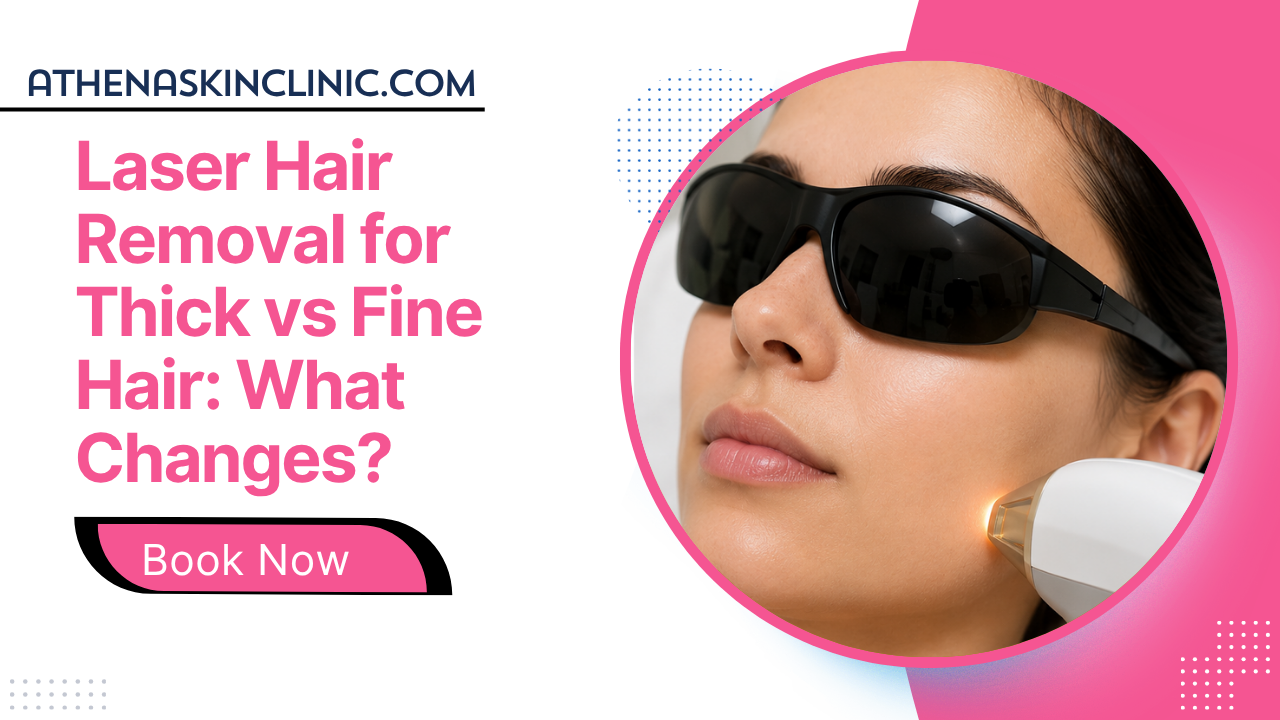
Laser Hair Removal for Thick vs Fine Hair: What Changes?

laser hair thickness: thick vs fine hair

Laser hair removal has become one of the most popular long-term hair reduction treatments for people looking to reduce constant shaving, waxing, and skin irritation.

However, one of the most important factors influencing laser hair removal results is hair type itself. Thick hair and fine hair respond differently to laser energy, which affects the number of sessions required, the speed of visible results, and overall treatment expectations.

For people considering laser hair removal in Chandigarh, understanding how different hair textures react to treatment can help set realistic expectations before starting sessions.

Areas surrounding well-known Chandigarh landmarks such as PGIMER (30.7651, 76.7755) and Sukhna Lake (30.7398, 76.8144) continue to see growing demand for advanced cosmetic and dermatological treatments, including laser-based hair reduction solutions.

How Laser Hair Removal Works?

Laser hair removal works by targeting melanin, the pigment found within hair follicles. The laser emits concentrated light energy, which converts into heat and damages the follicle responsible for hair growth.

Because the laser targets pigment, hair thickness and color play a major role in how effectively the treatment works.

In general:

  • Darker hair responds better than lighter hair
  • Thicker hair absorbs laser energy more efficiently
  • Fine hair may require more precision and additional sessions

This is why treatment outcomes can vary significantly from person to person.

Why Thick Hair Responds Differently?

Thick hair usually contains more melanin and has a denser follicle structure. Because of this, the laser can identify and target the follicle more easily.

Faster Initial Results

People with thick, coarse hair often notice visible reduction sooner because the laser energy is absorbed more effectively.

Better Follicle Targeting

The thicker the hair shaft, the easier it is for the laser to distinguish it from surrounding skin tissue.

Common Areas with Thick Hair

Laser hair removal tends to work especially well on:

  • Underarms
  • Bikini area
  • Legs
  • Men’s beard area
  • Chest and back

These areas typically contain darker and coarser hair, making them highly responsive to treatment.

Challenges with Thick Hair

Although thick hair responds well, there are still important considerations.

Higher Initial Sensitivity

Coarse hair follicles may create a stronger heat sensation during treatment because they absorb more laser energy.

Temporary Shedding Phase

After sessions, thick hair often sheds noticeably over the following days and weeks, which is a normal part of the process.

Hormonal Influence

Some thick hair growth, especially on the face or chin, may be influenced by hormonal conditions and may require maintenance sessions.

How Fine Hair Responds to Laser Hair Removal?

Fine hair behaves differently because it contains less pigment and has a smaller follicle structure.

Slower Response Rate

The laser may have more difficulty identifying very fine hairs, especially if the hair is light in color.

More Sessions May Be Needed

People with finer hair textures often require additional sessions to achieve noticeable reduction.

Certain Fine Hair Types Are More Difficult

Very light blonde, grey, red, or white hair can be harder to treat because of limited pigment.

Areas Commonly Associated with Fine Hair

Fine hair is commonly found on:

  • Upper cheeks
  • Forehead
  • Arms
  • Certain facial areas
  • Women’s sideburn regions

These areas often need careful laser adjustments and treatment planning.

Why Laser Settings Matter?

Modern laser systems allow practitioners to adjust settings depending on hair thickness, density, and skin tone.

For thick hair:

  • Higher energy settings may be effective
  • Larger follicles can tolerate stronger targeting

For fine hair:

  • More precise settings are often needed
  • Treatment intervals may differ
  • Sessions may need to be spaced strategically

This customization is one reason why professional consultation is important before starting treatment.

Does Hair Thickness Affect Pain Levels?

Pain tolerance varies between individuals, but hair texture can influence treatment sensation.

Thick Hair

Because thick follicles absorb more energy, people may experience:

  • More heat sensation
  • Mild snapping feelings
  • Slight temporary redness

Fine Hair

Fine hair treatments are often less intense in sensation, though sensitive facial areas may still feel uncomfortable.

Most modern laser systems include cooling technology to improve comfort during procedures.

Which Hair Type Gets Better Results?

Both thick and fine hair can benefit from laser hair removal, but results usually differ in speed and predictability.

Thick Hair Usually Shows:

  • Faster reduction
  • More dramatic early improvement
  • Higher visibility of shedding

Fine Hair Usually Requires:

  • More patience
  • Additional sessions
  • More gradual reduction

However, technological improvements have made laser hair removal more effective for a broader range of hair types than in the past.

The Importance of Skin Tone Alongside Hair Thickness

Hair thickness is only one factor. Skin tone also affects how laser settings are chosen.

The ideal contrast for laser hair removal is:

  • Dark hair
  • Lighter surrounding skin

However, newer laser technologies are now designed to safely treat a wider range of skin tones while minimizing pigmentation risks.

Can Fine Hair Become Thicker After Shaving?

Many people believe shaving causes hair to grow back thicker, but this is a myth. Shaving simply cuts hair at the surface, creating a blunt edge that may feel coarser temporarily.

Laser hair removal, on the other hand, generally causes hair to:

  • Grow back finer
  • Become softer
  • Reduce in density over time

What to Expect During Treatment

Regardless of hair type, laser hair removal requires consistency.

Most treatment plans involve:

  • 6–8 sessions initially
  • Several weeks between appointments
  • Occasional maintenance sessions

Patients with fine hair may require more sessions than those with thick hair to achieve similar levels of reduction.

Choosing Professional Laser Hair Removal Treatment

Professional assessment is essential because laser settings should always be customized based on:

  • Hair thickness
  • Hair color
  • Skin tone
  • Treatment area
  • Sensitivity levels

Clinics throughout Chandigarh, including areas accessible from landmarks such as PGIMER (30.7651, 76.7755) and Sukhna Lake (30.7398, 76.8144), continue to see increasing demand for personalized laser hair removal treatments tailored to different skin and hair profiles.

Final Thoughts

Laser hair removal works differently for thick and fine hair because the treatment depends heavily on pigment concentration and follicle structure.

Thick hair typically responds faster and more dramatically, while fine hair often requires more sessions and carefully adjusted settings.

With advancements in modern laser technology and personalized treatment planning, both hair types can achieve smoother skin and long-term hair reduction when treated professionally.

Whether someone struggles with dense coarse hair or persistent fine facial hair, understanding these differences helps create more realistic expectations and better treatment outcomes.

If you need help with laser treatment, you can book an appointment at Athena Skin Clinic where professional dermatologists can help you with the process. Contact us today!

How to Budget for Laser Hair Removal: Tips for Affordable Treatments

how to budget for laser hair removal

Laser hair removal is a popular and effective solution for long-term hair reduction. However, the cost can be a significant factor for many people considering this treatment.

Budgeting for laser hair removal doesn’t have to be overwhelming.

With careful planning and smart strategies, you can make this investment more manageable and affordable. Here’s how you can effectively budget for your laser hair removal treatments.

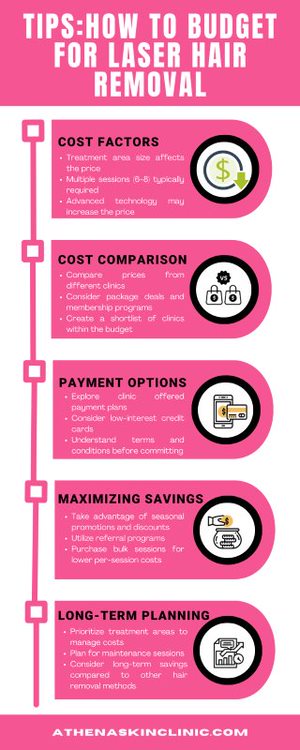
how-to-budget-for-laser-hair-removal-infographic

1. Understand the Cost Factors

The first step in budgeting is understanding what influences the cost of laser hair removal. Several factors can impact the overall price:

  • Treatment Area: Larger areas like the back or legs will cost more than smaller areas like the upper lip or underarms.
  • Number of Sessions: Most people require multiple sessions (typically 6-8) for optimal results, depending on hair type and color, skin tone, and the specific area being treated.
  • Clinic Reputation and Location: High-end clinics or those in metropolitan areas may charge more for their services.
  • Technology Used: Advanced laser technologies may come with a higher price tag but can offer more effective and faster results.
  • Individual Factors: Your hair growth cycle, skin type, and hair thickness will also determine how many sessions you need, impacting the total cost.

2. Research and Compare Prices

Once you understand what influences the cost, take the time to research and compare prices from different clinics. Don’t just settle for the first clinic you find. Look at several options and consider factors like:

  • Consultation Fees: Some clinics charge for the initial consultation, while others offer it for free.
  • Package Deals: Many clinics offer package deals for multiple sessions, which can reduce the overall cost per session.
  • Membership Programs: Some clinics provide loyalty or membership programs that offer discounts on treatments.

Use this information to create a shortlist of clinics that fit within your budget.

3. Consider Financing Options

If the upfront cost of laser hair removal seems too high, many clinics offer financing options. Here are a few ways to spread out the cost:

  • Payment Plans: Some clinics allow you to pay for your treatments in installments, either interest-free or with a small interest fee.
  • Credit Cards: Using a credit card with a low-interest rate or one that offers rewards can be an option, but be mindful of interest rates and repayment terms.
  • Healthcare Financing: Specialized healthcare financing services like CareCredit offer payment plans specifically for medical and cosmetic procedures.

Ensure you fully understand the terms and conditions before committing to a financing option.

4. Take Advantage of Promotions and Discounts

Clinics often run promotions or offer discounts on laser hair removal treatments. These can be tied to:

  • Seasonal Sales: Clinics may offer discounts during certain times of the year, like the holiday season or summer.
  • Referral Programs: If you refer a friend or family member, some clinics offer a discount on your next treatment.
  • Bulk Session Purchases: Buying multiple sessions upfront can often result in a lower per-session cost.

Sign up for newsletters from local clinics or follow them on social media to stay informed about upcoming promotions.

5. Prioritize Your Treatment Areas

If you’re on a tight budget, prioritize the areas that matter most to you. Instead of treating multiple areas at once, start with the area that causes you the most concern.

For example, if facial hair is your primary issue, focus on that before moving on to other areas like the legs or bikini line. By spreading out the treatments, you can manage the costs more effectively.

6. Schedule Your Treatments Wisely

Spacing out your sessions can also help manage your budget.

While it’s important to follow the recommended schedule for optimal results, some flexibility can help spread the cost over a longer period.

Discuss with your clinician if there’s any leeway in your treatment plan without compromising the results.

7. Look for Student or Group Discounts

Some clinics offer student discounts, so if you’re in school, don’t hesitate to ask about special pricing.

Additionally, group discounts might be available if you and a friend or family member book treatments together. This can be a fun way to save money while undergoing treatment with someone you know.

8. Explore Health Insurance Options

Some health insurance plans in India may cover laser hair removal if it’s deemed medically necessary, such as for the treatment of conditions like polycystic ovary syndrome (PCOS) or other medical issues leading to excessive hair growth.

It’s worth checking with your insurance provider to see if they offer any coverage or reimbursement for laser hair removal treatments. This can help reduce the overall cost of your treatment.

9. Plan for Maintenance Sessions

Even after completing your initial treatment sessions, occasional maintenance sessions might be necessary to maintain the results.

Plan and budget for these sessions as well. They are typically less frequent and less expensive but are still an important part of your overall investment.

10. Consider the Long-Term Savings

Lastly, while laser hair removal may seem expensive upfront, consider the long-term savings.

Think about how much you currently spend on razors, waxing, or other hair removal methods.

Over time, the cost of laser hair removal can be more economical, saving you both time and money in the long run.

Conclusion

Budgeting for laser hair removal requires some planning, but with the right approach, you can make this effective treatment more affordable.

By understanding the cost factors, exploring financing options, and taking advantage of promotions, you can manage the costs and enjoy the long-term benefits of smooth, hair-free skin.

Athena Skin Clinic is committed to helping you achieve your aesthetic goals without breaking the bank, so don’t hesitate to reach out for a consultation and discuss your options.

Seasonal Considerations for Laser Hair Removal: Best Practices

Laser hair removal is a popular and effective method for achieving long-term hair reduction. However, the time of year you choose to begin your treatments can significantly impact the results and overall experience.

Here’s a detailed look at the best practices for scheduling your laser hair removal sessions with seasonal considerations in mind.

Why Season Matters in Laser Hair Removal

Laser hair removal works by targeting the pigment in hair follicles, and certain seasonal factors can influence the treatment’s effectiveness and your skin’s response. Understanding these factors can help you plan your treatments for optimal results.

Winter: The Ideal Season for Laser Hair Removal

Less Sun Exposure

Benefits: During the winter months, people typically have less sun exposure. This is beneficial because tanned or sunburned skin can increase the risk of side effects from laser treatments, such as hyperpigmentation or burns.

Best Practices: Avoid tanning and use sunscreen if you are exposed to the sun. Start your treatments in winter to ensure your skin is at its natural tone.

Comfortable Recovery

Benefits: Cooler temperatures can make post-treatment recovery more comfortable. The treated area may be sensitive, and avoiding heat and sweating can help minimize irritation.

Best Practices: Wear loose, comfortable clothing and avoid activities that cause excessive sweating for a few days after each session.

Scheduling Flexibility

Benefits: With fewer social and outdoor activities, winter often provides more flexibility to schedule multiple treatment sessions.

Best Practices: Plan your sessions at regular intervals, typically every 4-6 weeks, to ensure consistent progress.

Spring: Preparing for Summer

Early Start

Benefits: Starting treatments in early spring can ensure you achieve significant hair reduction before summer arrives.

Best Practices: Begin your sessions in early spring to complete most treatments before the high-exposure summer months.

Sun Protection

Benefits: As days get longer and sun exposure increases, diligent sun protection becomes crucial.

Best Practices: Apply broad-spectrum sunscreen with at least SPF 30 daily and wear protective clothing to shield treated areas from UV rays.

Avoiding Sunburns

Benefits: Avoiding sunburns is essential to reduce the risk of complications.

Best Practices: Refrain from tanning and excessive sun exposure, and consider evening or early morning outdoor activities to minimize sun exposure.

Summer: Extra Precautions Needed

Sun Exposure Risks

Challenges: Summer is the most challenging time for laser hair removal due to increased sun exposure, which can complicate treatments and recovery.

Best Practices: If you must start or continue treatments in summer, be extremely vigilant about sun protection. Use sunscreen, wear hats, and cover treated areas when outside.

Sweat and Heat

Challenges: Heat and sweating can irritate treated areas, increasing discomfort and the risk of infection.

Best Practices: Avoid strenuous activities, hot showers, and saunas for a few days post-treatment. Keep the treated area cool and dry.

Hydration and Skin Care

Benefits: Proper skin hydration can aid recovery and improve results.

Best Practices: Use gentle, hydrating skin care products and drink plenty of water to keep your skin healthy and supple.

Fall: Transitioning Back to Cooler Weather

Renewed Opportunity

Benefits: As temperatures drop, fall becomes a good time to resume or start laser hair removal treatments.

Best Practices: Take advantage of reduced sun exposure and cooler weather to plan your sessions.

Post-Summer Skin

Benefits: After a summer of potential sun exposure, fall offers an opportunity to assess and treat any pigmentation issues before starting laser hair removal.

Best Practices: Consult with your dermatologist to address any skin concerns and adjust your treatment plan accordingly.

Consistent Schedule

Benefits: With fewer seasonal distractions, maintaining a consistent treatment schedule is easier in the fall.

Best Practices: Plan your sessions at regular intervals to maximize hair reduction before winter arrives.

General Best Practices for All Seasons

  1. Consultation with a Dermatologist: Always start with a consultation to discuss your skin type, hair color, and any potential concerns related to seasonal changes.
  2. Sun Protection: Regardless of the season, consistent use of sunscreen on treated areas is crucial to prevent pigmentation changes and protect sensitive skin.
  3. Skin Care Routine: Maintain a gentle and hydrating skin care routine to support recovery and improve treatment results.
  4. Avoiding Tanning Products: Steer clear of self-tanning products before and during your laser hair removal treatment series.

Conclusion

Timing your laser hair removal treatments with seasonal considerations in mind can enhance your results and minimize side effects.

Winter and fall are generally the best seasons to start treatments due to reduced sun exposure and more comfortable recovery conditions.

However, with careful planning and diligent sun protection, you can successfully undergo laser hair removal at any time of year.

Always consult with a dermatologist in Chandigarh to develop a personalized treatment plan that aligns with your seasonal lifestyle and skin care needs.

Laser Hair Removal and Hormonal Imbalances: What You Should Know

Laser hair removal is a popular and effective method for achieving long-term hair reduction. However, the success of this treatment can be influenced by various factors, including hormonal imbalances.

Understanding the relationship between laser hair removal and hormonal imbalances is crucial for achieving the best results. Here’s what you need to know.

Understanding Hormonal Imbalances

Hormonal imbalances occur when there is too much or too little of a hormone in the bloodstream.

These imbalances can affect a wide range of bodily functions, including hair growth. Common hormonal disorders that can influence hair growth include:

  1. Polycystic Ovary Syndrome (PCOS): A condition that affects women’s hormone levels, often leading to excessive hair growth (hirsutism) in areas such as the face, chest, and back.
  2. Androgenic Alopecia: A condition characterized by an imbalance in androgens, which can cause hair thinning and increased body hair growth.
  3. Thyroid Disorders: Both hyperthyroidism and hypothyroidism can lead to changes in hair growth patterns.

How Hormonal Imbalances Affect Hair Growth

Hormonal imbalances can lead to increased hair growth in unwanted areas.

This is particularly common with conditions like PCOS, where elevated levels of androgens (male hormones) stimulate hair follicles, leading to hirsutism.

These hormonal fluctuations can make hair thicker, darker, and more difficult to manage.

Laser Hair Removal: How It Works

Laser hair removal uses concentrated light beams to target and destroy hair follicles. The pigment in the hair absorbs the light, which damages the follicle and inhibits future hair growth. This method is effective for reducing hair growth over multiple sessions.

The Impact of Hormonal Imbalances on Laser Hair Removal

  1. Effectiveness of Treatment: Hormonal imbalances can make hair more resistant to laser treatments. While laser hair removal can still reduce hair growth, the results might not be as long-lasting or effective compared to individuals without hormonal issues.
  2. Number of Sessions: People with hormonal imbalances may require more treatment sessions to achieve desired results. The hair might grow back faster and thicker, necessitating additional treatments.
  3. Maintenance Treatments: Even after completing the initial series of laser hair removal sessions, individuals with hormonal imbalances might need more frequent maintenance treatments to keep hair growth under control.

Tips for Effective Laser Hair Removal with Hormonal Imbalances

  1. Consult a Specialist: Before starting laser hair removal, consult with a dermatologist or an endocrinologist to address the underlying hormonal imbalance. Proper management of the condition can improve the effectiveness of laser treatments.
  2. Customized Treatment Plan: Work with your dermatologist in Chandigarh to create a tailored treatment plan. This may include a combination of laser hair removal and medical treatments to manage hormonal imbalances.
  3. Consistent Monitoring: Regularly monitor your hormonal levels and inform your dermatologist of any changes. Adjustments to your treatment plan might be necessary based on your hormonal status.
  4. Patience and Persistence: Understand that achieving optimal results may take time and require more sessions. Be patient and follow your dermatologist’s recommendations for the best outcomes.

Conclusion

Laser hair removal can be an effective solution for managing unwanted hair growth, even for those with hormonal imbalances.

By understanding the impact of hormones on hair growth and working closely with a healthcare professional, you can maximize the benefits of laser hair removal and achieve smoother, hair-free skin.

If you suspect a hormonal imbalance is affecting your hair growth, seek medical advice to address the root cause and enhance the effectiveness of your laser hair removal treatments.

Post-Laser Hair Removal Care: A Comprehensive Guide to Achieving Smooth and Healthy Skin

Laser hair removal is a popular and effective method for achieving long-lasting hair reduction.

However, to ensure the best results and maintain the health of your skin after the procedure, it’s crucial to follow a proper post-treatment care routine.

In this article, we’ll delve into essential tips for post-laser hair removal care to help you achieve smooth and healthy skin.

1. Hydration is Key:

After laser hair removal, your skin may feel more sensitive than usual. It’s essential to keep your skin well-hydrated to promote healing and prevent dryness.

Use a gentle, fragrance-free moisturizer to soothe the treated areas.

Opt for products with ingredients like aloe vera or chamomile to provide additional calming effects.

2. Avoid Sun Exposure:

Laser-treated skin is more susceptible to sun damage. In the days following your laser hair removal session, avoid direct sun exposure as much as possible.

If you need to go outside, use a broad-spectrum sunscreen with a high SPF to protect your skin. This precaution helps prevent pigmentation issues and ensures a smoother healing process.

3. Skip Intensive Workouts:

While exercise is generally beneficial for your health, intense workouts can lead to increased sweating, which may irritate the treated skin.

Consider taking a break from vigorous physical activities for a couple of days after your laser hair removal session to allow your skin to recover without unnecessary friction.

4. Avoid Hot Showers and Baths:

Hot water can exacerbate skin sensitivity after laser hair removal.

Opt for lukewarm water when showering or bathing, and avoid using harsh soaps or scrubs on the treated areas.

Gently pat your skin dry with a soft towel rather than rubbing to prevent irritation.

5. Say No to Makeup and Fragrances:

Give your skin some time to breathe by avoiding makeup and fragranced products on the treated areas for at least 24 hours post-treatment.

This reduces the risk of irritation and allows your skin to recover without interference from potential allergens.

6. Be Mindful of Clothing:

Choose loose, breathable clothing for the first few days after laser hair removal.

Tight or abrasive fabrics can cause friction and irritation on the treated skin.

Opt for soft, comfortable materials to minimize discomfort and promote optimal healing.

7. Stay Gentle with Skincare:

Skip any harsh skincare products, including exfoliants and retinoids, for a few days post-treatment.

Stick to gentle cleansers and moisturizers to avoid further irritation.

Once your skin has fully healed, you can gradually reintroduce your regular skincare routine.

8. Attend Follow-up Appointments:

If your laser hair removal treatment involves multiple sessions, be sure to attend all follow-up appointments as scheduled.

This helps ensure that your progress is monitored, and any necessary adjustments can be made to optimize your results.

Conclusion:

Proper post-laser hair removal care is crucial for achieving the smooth and healthy skin you desire.

By following these tips, you can promote optimal healing, reduce the risk of complications, and enjoy the long-term benefits of laser hair removal.

Keep in mind that every individual is different with a different skin type, so adjustments might be needed in the post-care routine.

Remember to consult with your dermatologist in Chandigarh or skincare professional if you have specific concerns or questions about your post-treatment care routine.

Comparing Laser Hair Removal with Other Hair Removal Methods: A Comprehensive Analysis

Adopting the best grooming practices has one integral step, i.e. hair removal. Different individuals opt for one or more methods available for achieving smooth skin.

Although there’s no particular right way of doing it, laser technology for hair removal is getting highly prominent.

If you’re looking to opt for a method or need to transform to an option to suit your requirements, this article is for you. It covers a comparative analysis of different hair removal techniques so you can find all the pros and cons before opting for one.

Let’s dive deeper and help you find the right hair removal techniques:

Laser Hair Removal:

This technique directs a concentrated beam of light energy at the hair follicles. The purpose is to destroy these follicles, which could also limit the further growth of hair. Learn everything about laser hair removal before you opt for it.

Pros:

  • The results of laser hair removal therapy can be long-lasting. A few individuals can even experience permanent hair loss after multiple sessions.
  • You can expect the laser technology to target the dark coarse hair, only leaving the skin area unaffected. The results are impacted by the skin color and type.
  • Using laser hair removal on different body parts is possible. Face, legs, arms, back, underarms and bikini line.
  • The time required for each session depends on the covered area. However, the wide coverage of the laser device can get the work done quickly.
  • The presence of ingrown hair can be reduced significantly with this hair removal method.

Cons:

  • To get the desired results, you’ll have to undergo multiple sessions of treatment.
  • The upfront cost of laser hair removal is more than the other methods. But the savings it can result in after the completion of treatment are higher. However, you might have to wait for months to feel the impact of this saving.
  • The success of the treatment depends on the expertise of the healthcare professional.
  • The laser hair removal technique is effective on dark-colored hair on lighter skin tones. If you’ve light or blonde hair, you might not get the same benefit from this method.

Waxing

This is one of the widely used methods worldwide to remove hair. In this method, you must apply the hot or cold wax on the skin and remove it. The hair on the body is removed along with the wax.

Pros:

  • This hair removal technique’s results can be considered long-term compared to shaving or other similar methods.
  • Continuous waxing sessions can result in finer and smoother hair growth that becomes less noticeable with time.
  • Waxing can be used on different body parts, including face, arms and legs.

Cons:

  • You must expect pain and discomfort during the waxing process. It depends on pain sensitivity and your expertise.
  • The hair must be of certain size before it can be pulled using waxing. At a minimum, the hair length must be 1/4th of an inch.
  • Sensitive skin might face problems like redness and irritation, lasting from a few hours to a few days.
  • The extent of ingrowth hair can increase through waxing.

Shaving:

Another technique which is commonly used as a hair removal method is shaving. Razors or electric shavers can be used on the skin surface to get rid of the extra hair.

Pros:

  • It is quick and easy
  • Razors and shaving creams are widely available at an affordable cost
  • Shaving doesn’t require professional assistance or specialized equipment.

Cons:

  • The results generated through shaving are short-termed as the hair can grow back in 2-3 days.
  • Razors can cause irritation on the skin.
  • The problem of being ingrown is quite prominent.
  • As the hair is cut on the surface level, the shadow effect can be felt.
  • Not suitable for all body parts due to the higher risk of getting coarse hair.

Electrolysis:

The electrolysis technique requires inserting a needle into individual hair follicles to apply the electrical current for its destruction. The destruction of a destroyed hair follicle means no hair growth.

Pros

  • Electrolysis can give you permanent results.
  • Compared to laser treatment, electrolysis doesn’t have to target people with specific skin or hair color.
  • Individual hair needs to be targeted so higher precision and focused results can be expected.

Cons

  • Destroying every follicle individually is a time taking process
  • Using an electrical sensation will cause a stinging sensation, making the process uncomfortable.
  • A highly skilled professional is required to do the job.
  • It is the most expensive method compared to the other hair removal techniques.

Summing Up

There is no best method for hair removal. It depends on your choice and can vary from person to person.

There are multiple factors like easiness, types of results, growth patterns and the cost to look for in each method before choosing the best one.

As the demand for laser hair removal techniques is growing significantly, a comparison of all the available methods has been presented. If you opt for the laser hair removal method, the professionals at Athena Skin Clinic can handle it for you. Contact us today!


Laser Hair Removal for Different Skin Types: A Comprehensive Guide

Laser hair removal is a procedure to reduce hair growth permanently. Different people get different results from the treatment. That’s because the effectiveness of this hair reduction method depends on multiple factors, including ethnicity and skin type.

In this blog post, you can find all the information you want regarding the impact of laser treatment, so you can decide if laser hair removal will prove effective for you.

Different Skin Types

Based on the Fitzpatrick skin type system, six different variations are identified. The criteria for categorization are the response to sun exposure and the tendency of the skin to tan.

Type I is the palest, while Type VI is the darkest. Within this categorization, Type I is the most sensitive to sun exposure, and Type VI is the most resistant.

Now when you understand skin categorization, you can find the particular number for your skin based on the color and its reaction to sun exposure. Based on the skin type identified, here are the possible effects you should expect from the laser hair removal treatment.

Type I-II or Fair Skin

Using laser hair removal treatment techniques on fair skin is effective. Usually, such skin types have fair skin with dark hair, so the laser treatment targets melanin in the hair follicles by easily distinguishing them from the surrounding skin.

In fair-skinned individuals, the result of the laser treatment can be more effective and possible in fewer sessions.

Types III-IV or Olive Skin

The individual with such a skin type can get mediocre results from the laser treatment. They require specialized laser instruments to differentiate between the target skin tone and the hair. Also, the dermatologist must specifically take steps to minimize the adverse impact of the laser.

Types IV-VI or Dark Skin

The use of laser treatment on dark skin might not prove very effective because of the high melanin in the skin. Such a treatment requires excellent expertise and sophisticated equipment for the best results.

Using traditional laser technology also creates the risk of skin burns discoloration. But the use of Nd: YAG lasers or other similar technologies can help target the hair follicles instead of the skin surface. Thus, reducing the chances of the negative impact of the laser treatment.

Considering Hair Color and Thickness:

It is not only the skin type that determines the effectiveness of the laser hair treatment. The hair’s color and thickness also play a vital role in the success of laser hair removal.

Here’s what you can expect when you have dark-colored or light-colored hair:

Dark-colored Hair

Individuals with dark and coarse hair are expected to get the best and most long-term results from the laser hair removal technique. The higher concentration of melanin ensures that the laser beams are targeted at the follicles bringing in the results.

Light-colored Hair

People with light and relatively lighter hair colors like blonde, gray, or red can also benefit from the laser hair removal treatment, but the efficiency of the results isn’t the same as that of dark-colored hair. A lower level of melanin in the hair creates challenges in the process. Thus, it is necessary to use the right equipment to generate the best results.

Conclusion:

Laser hair removal is a versatile and practical option for achieving long-term hair reduction across different skin types and ethnicities.

However, consulting with a qualified dermatologist or laser specialist who can assess your skin and hair characteristics is crucial.

A dermatologist can tailor the treatment to minimize risks and optimize results by considering skin type, hair color, and thickness. You can contact Athena Skin Clinic if you want a professional dermatologist to handle the laser removal treatment for you with the best results.

How To Make the Laser Hair Removal Process More Effective

There are certain tips that you can incorporate in order to facilitate this. These include the following:-

Exfoliate:
You can apply an exfoliating scrub at least thrice a week on the surface that has undergone a laser hair removal process. Exfoliating will allow the shedding process to proceed unhindered.

Cutting or shaving the re-growing hair:
You can cut or shave, but do not wax or tweeze. You need these hair follicles for the laser to work on them during your next appointment after the first laser hair removal treatment.

Use the sunscreen:
Continue using the sunscreen after the first laser hair treatment procedure. This is mainly to avoid tanning and create the right skin-hair contrast that will allow the laser tom to work on it.

Read moreHow To Make the Laser Hair Removal Process More Effective